
LADY LYTTLETON ex Sultan (?–1867)
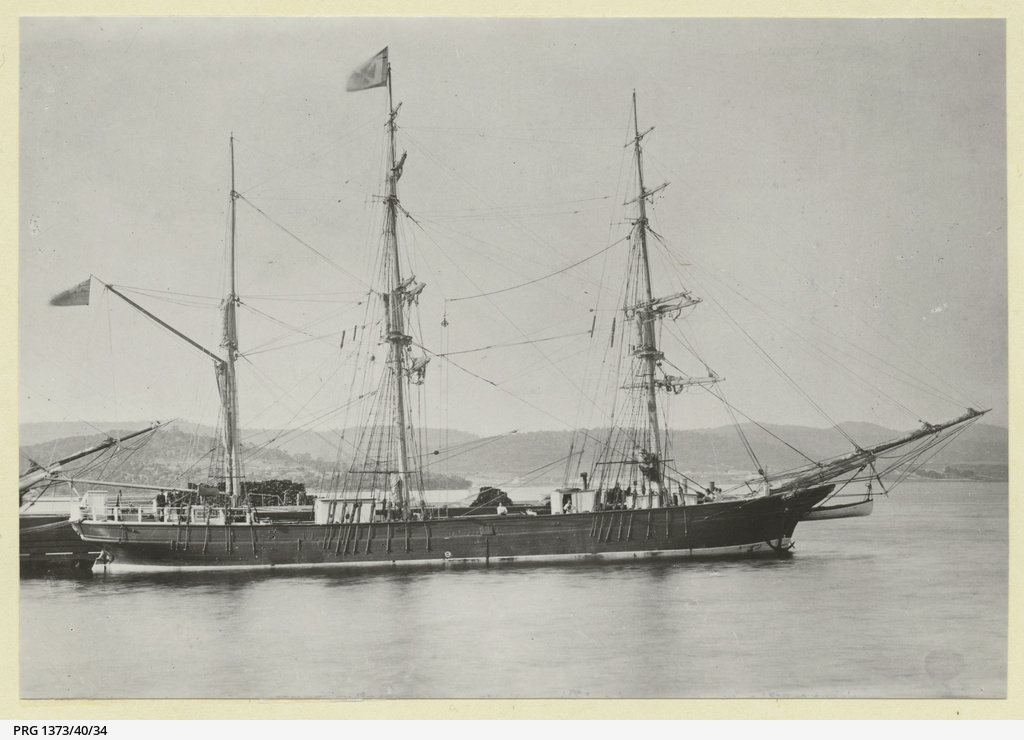
Wooden barque Acacia, 233 tons, State Library of South Australia, PRG-1373-40-34
Description
Barque, with one deck and a female figurehead
Construction
Wood
Size
Length: 94.4 ft (28.77 m) Beam: 21.1 ft (6.43 m) Depth: 9.7 ft (2.96 m) Tonnage: 178.3 gross, 139.37 underdeck
Built
Unknown, but not in Australia. Registered at Sydney in 1861
Owner
Howard Selwyn Smith of Melbourne (purchased 1866)
Sunk
Around 17 July 1867
Location
The wreck of the Lady Lyttleton lies off the north-east point of the channel leading into Oyster Harbour, near Albany.
Latitude/Longitude
(-34.997717, 117.95031)
Sinking
The Lady Lyttleton left Adelaide on 29 May 1867 with three passengers and a mixed cargo. When the ship sailed into King George Sound on 16 June, it was leaking badly. Part of the cargo, mainly flour, had been jettisoned. After discharging the remainder of its the cargo (most of which was damaged), the Lady Lyttleton was taken to Emu Point to be hove down for examination and repairs to the hull. The barque was hove down by tackles from the mastheads to the shore. Somehow the vessel slipped, and, being unable to return to an upright position because of the tackles, it filled and sank. The Lady Lyttleton’s figurehead is in the WA Museum’s Shipwreck Gallery in Fremantle.
Underwater
A section of the hull is buried in the sand in 7–13 m of water about 15 m offshore. The keelson, frames and planking have been excavated. The wreck lies with the keelson parallel with the shore, and the bow pointing northwards. A large windlass is near the bow and a corroded iron tank (probably a water tank) lies some 2–3 m aft of the windlass. Nearby are two large trypots lying on their side, and a third trypot lies upright deeper in the channel. A corroded iron drum and a fragile wooden spar are also visible. Many artefacts have been recovered over the years, some of which are in the WA Museum.
Gallery